


Blog

Self-Sabotage: Why We Do It and How to Stop
Self-sabotage can stop us from achieving the things we want, often without us even realising it. Learn why we self-sabotage, recognise the signs and discover how small changes can help you break old patterns.

“What if…? Thinking
Do you ever find yourself asking, “What if something goes wrong?” or “What if I can’t cope?” If so, you’re not alone. What if thinking is one of the most common cognitive distortions. These distortions are thinking habits where the mind treats imagined possibilities as if they’re likely to happen.

Healthy Boundaries in Relationships:
Have you ever found yourself saying "yes" when you really wanted to say "no"?
Do you often put other people's needs before your own, only to feel exhausted, overwhelmed, or resentful afterwards?
If so, you're not alone. As a counsellor in Somerset, I regularly work with clients who struggle to set healthy boundaries in their relationships. Whether it's with a partner, family member, friend, or colleague, learning how to establish clear and respectful boundaries is one of the most important steps towards improving your mental health and emotional wellbeing.

How to Stop People Pleasing and Learn to Say No
Have you ever found yourself saying yes when every part of you wanted to say no?
Perhaps you've agreed to help when you're already exhausted, apologised for something that wasn't your fault, or worried for hours that someone might be upset with you.
If you're nodding along, I want you to know you're not alone.
People pleasing is one of the most common reasons people come to counselling. On the surface, it can look like kindness, generosity or simply being a "nice person". But underneath, it's often driven by something much deeper: the fear of disappointing others, being rejected or feeling as though you're somehow not enough.
The good news is that people pleasing isn't who you are. It's a pattern you've learned, and patterns can change.

Living with a Phobia
Anyone who has a phobia will tell you that it is more than just a fear; it is intense and overwhelming. Unlike our usual everyday worries, a phobia may take over in such an extreme way that it starts to significantly affect their daily lives.
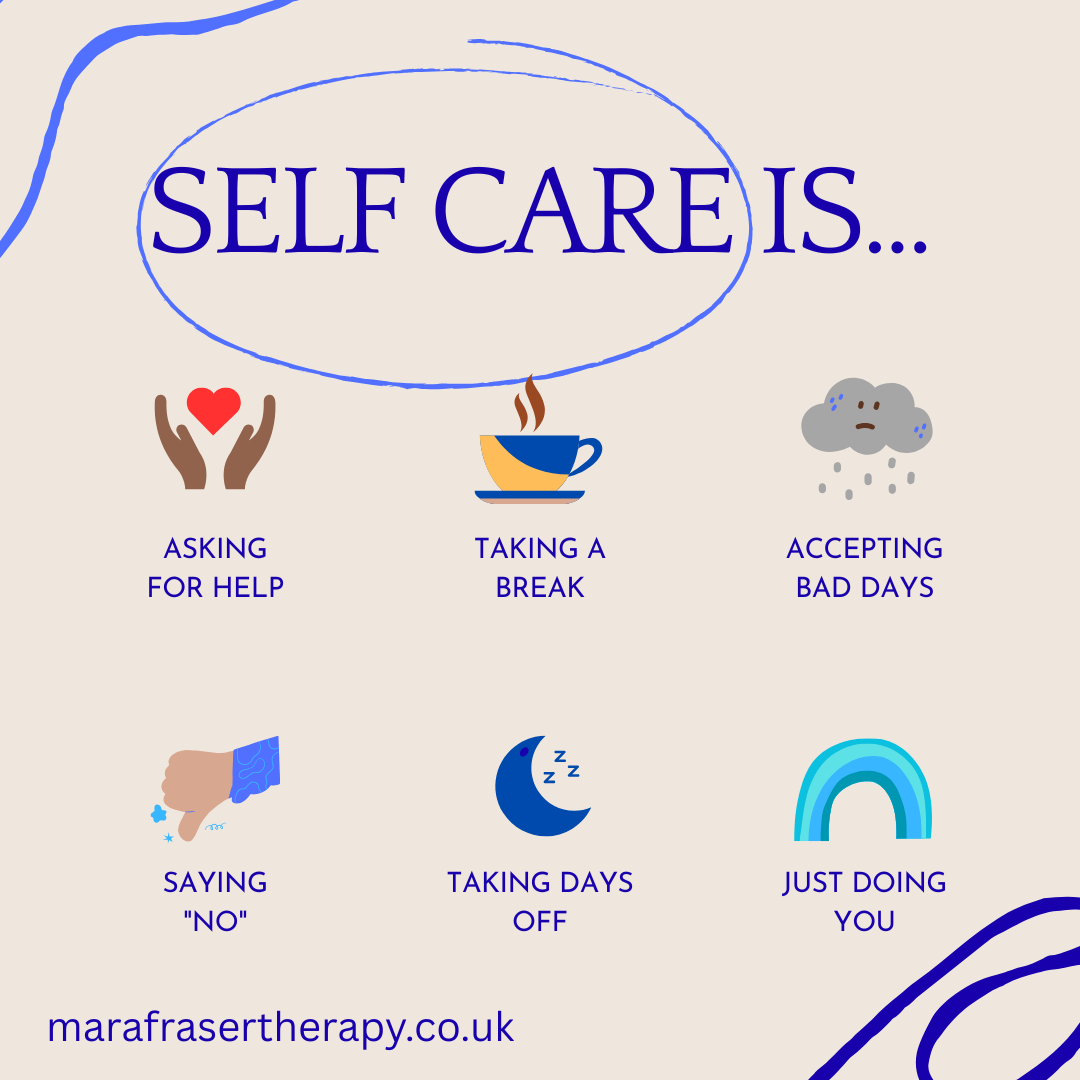
Why self-care is easier to talk about than to practice (even for therapists)
As a counsellor, I regularly talk with clients about the importance of self-care. We explore rest, boundaries, emotional wellbeing and the impact of chronic stress on mental health. I genuinely believe self-care is essential….and yet….like many people who support others for a living, I don’t always follow my own advice. This might sound surprising, but it’s actually very common. Knowing what helps our mental health doesn’t automatically make it any easier to do it.

Why People Troll Online…
In today’s always-connected world, most of us will have the experience of online negativity at some point. It could be a rude comment, an argument that gets out of hand and can become a full-blown attack. These experiencing leave people feeling shaken, confused, or even questioning yourself. The internet - and the trolls - come directly into our home, our most personal space where we should feel safe. This invasion of our space often leaves people feeling violated and afraid. As a counsellor, I often hear people asking why this is happening: Why do people troll online? And more importantly, how can I protect myself and my wellbeing?

Navigating Midlife as a Woman
While society often portrays midlife as a time of crisis, what if we began a conversation about the positive aspects of midlife? Midlife is just as much about transformation and renewal.

Understanding Trauma
Trauma can affect anyone at any time. It may be that you have experienced a one-off distressing event, or it could be that you have survived a series of ongoing events. Both types of trauma can leave deep emotional scars. These scars can have long-term effects on how we think, feel, and relate to others. Getting an understanding of what trauma is, how it affects you and seeking the right support is the first step toward reclaiming your sense of peace and wellbeing.

Finding Support Through Grief and Loss
Grief and loss profoundly impact every aspect of our lives and are deeply personal experiences. We are all unique, so the way we express our grief may be different to how we see others responding to losses in their lives. There is no one ‘normal’ way to grieve, or to navigate loss.

Feeling Lonely? You’re Not Alone
Loneliness is something many of us experience, and this happens more often than we would care to admit. Being alone does not mean you are lonely. But if you are at work, socialising with friends, eating dinner with family, and you still feel empty inside, you will recognise a feeling of a lack of connection with other people. Not just with the world at large, but even with people closest to us. Loneliness can be painful, but it is also our mind’s way of letting us know that we need to make more meaningful connections with others.

People Pleasing: What it is, why we do it and how to stop
Do you often say ’yes’ when you’d rather say ‘no?
Are you often prioritising the needs of other people over your own?
If so, you may be demonstrating people pleasing behaviour.
Of course, it is natural to want to help others, however, constant people-pleasing can start to take a toll on your mental health, self esteem and personal relationships. Learning what drives people pleasing behaviours and how to stop it can help you to feel more balanced and authentic in our dealings with others.
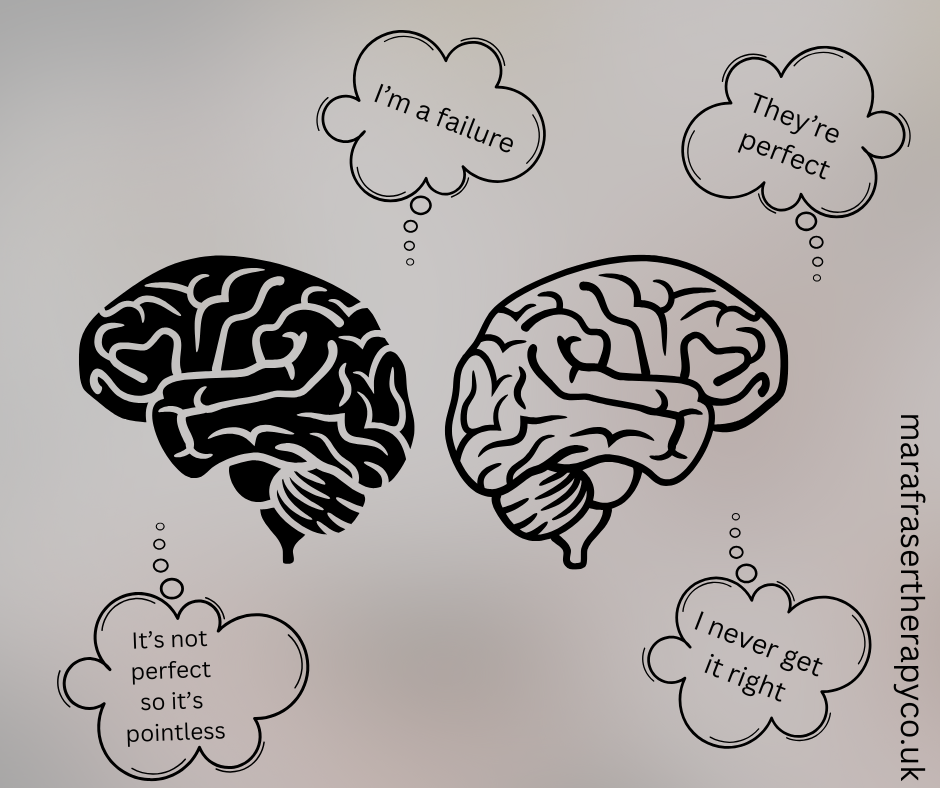
Understanding Black and White Thinking
Black and white thinking, also known as all-or-nothing thinking, is one of the most common forms of negative thinking patterns. It often arrives in the therapy room at some point. In reality, life is not easily pigeonholed into ‘good’ or ‘bad’, yet it is often the case that we try to place events, people and ourselves into one or the other of these slots.

Understanding Procrastination: What It Is, Why It Happens, and How to Overcome It
Procrastination is not an unusual experience. In fact, most of us experience this at some point. That said, persistent delays in getting things done can leave us with a lot of stress, guilt, and a feeling of being overwhelmed.

Feeling lonely?
Loneliness can come along at any moment during the course of a lifetime, and it is something many people experience. If you are experiencing loneliness right now, know that you are not alone, that more people than ever are reporting feeling isolated.

Understanding Shame
If left unchallenged, both guilt and shame can affect self-esteem, relationships, and general mental health. The good news is that with the right support, it is possible to understand and move forward from feelings of shame, reclaiming your sense of worth.

Understanding and Overcoming Guilt: A Guide to Healing and Growth
Guilt is one of the most common—and most complex—human emotions. At some point in life, everyone experiences it. Maybe you regret a decision, replay a conversation in your head, or carry a heavy sense of responsibility for something in the past. While guilt can sometimes serve as a helpful reminder to act with integrity, too much guilt can become overwhelming and damaging to your wellbeing.

Depression and Counselling: How Talking Therapy Can Help You Heal
It is a sad fact that depression is one of the most common mental health conditions worldwide. It is also often misunderstood. Counselling is not for the faint-hearted. Counselling can be tough. People may feel worse before they feel better. It is confronting and challenging and is one of the bravest, smartest, and strongest things anyone can do.

Counselling: A smart move for men
Life throws a lot at us. We can suffer from work-related stress, money worries, health issues, relationship problems…this list goes on. No one is immune, yet we know that many men will suffer in silence. Counselling is a smart choice to make a change.