

How to Stop People Pleasing and Learn to Say No

You don't have to say yes to be loved.
Mara Fraser Counselling & Psychotherapy
Have you ever found yourself saying yes when every part of you wanted to say no?
Perhaps you've agreed to help when you're already exhausted, apologised for something that wasn't your fault, or worried for hours that someone might be upset with you.
If you're nodding along, I want you to know you're not alone.
People pleasing is one of the most common reasons people come to counselling. On the surface, it can look like kindness, generosity or simply being a "nice person". But underneath, it's often driven by something much deeper: the fear of disappointing others, being rejected or feeling as though you're somehow not enough.
The good news is that people pleasing isn't who you are. It's a pattern you've learned, and patterns can change.
What is people pleasing?
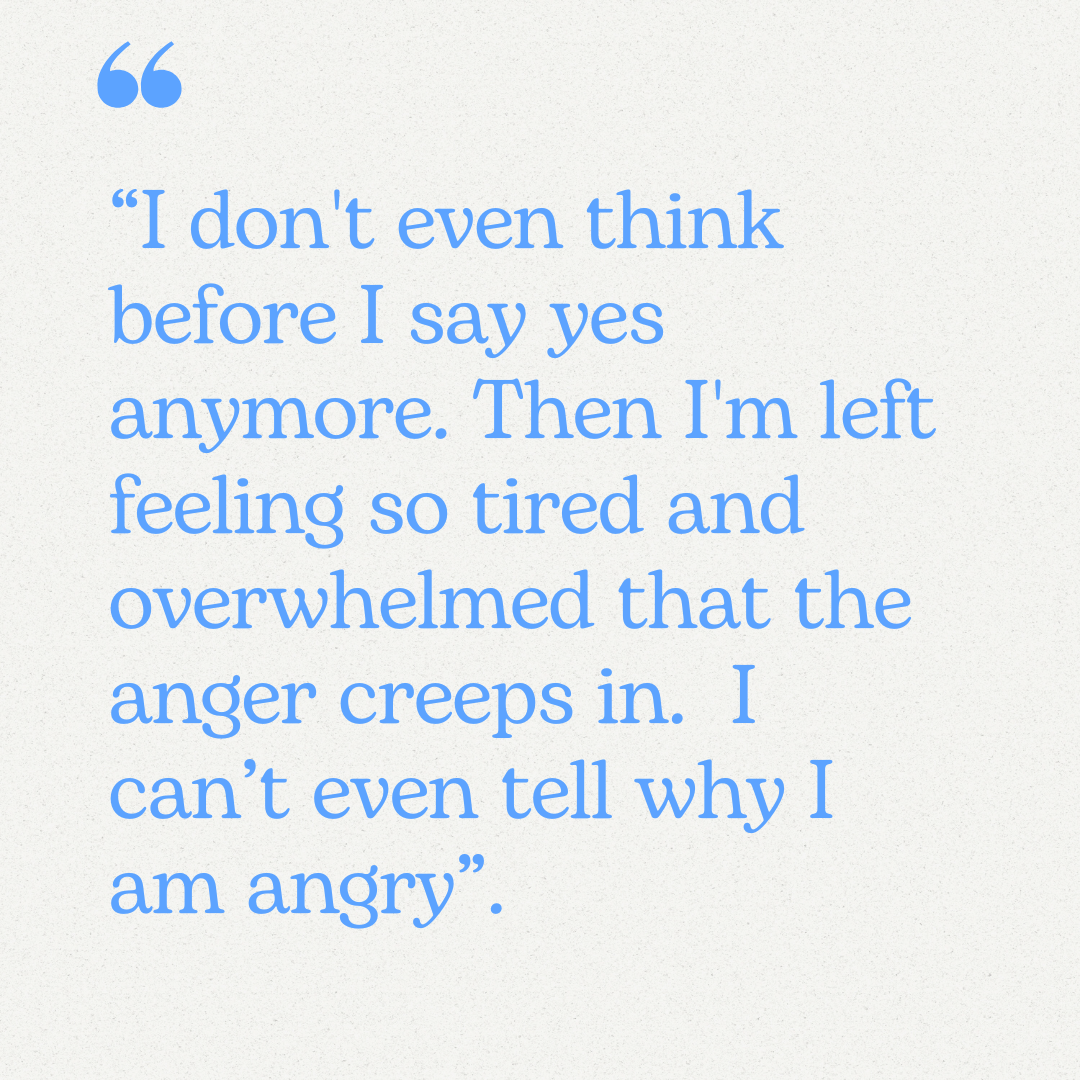
People pleasing is the habit of putting other people's needs, feelings and expectations ahead of your own, even when it leaves you feeling stressed, overwhelmed or emotionally drained.
You might:
Find it difficult to say no because you start to worry.
Avoid conflict whenever possible and say sorry more often than necessary.
Feel responsible for everyone else's happiness and feel guilty if you choose yourself.
Many people assume these behaviours simply mean they're caring people. And caring about others is a wonderful quality.
The difference is this:
Being kind is a choice; people- pleasing is fear dressed up as kindness.
Why do we become people pleasers?
Most people aren't born believing their needs don't matter.
Often, people pleasing develops as a way of coping. Perhaps you grew up in a family where keeping the peace felt important, or you learned that being helpful earned approval and love. Maybe difficult relationships, criticism or painful experiences taught you that saying no wasn't safe.
Without even realising it, you begin to believe that keeping everyone else happy is your responsibility. One thing I often notice in the therapy room is how compassionate people pleasers are towards everyone except themselves. They would never expect a friend to keep giving until they were completely exhausted, yet that's exactly what they expect of themselves.
The hidden cost of always saying yes
At first, saying yes can feel easier than risking someone's disappointment, but over time, always putting yourself last comes at a cost.
You may begin to feel exhausted, resentful, anxious or overwhelmed. You might lose touch with what you actually want because you've become so used to focusing on everyone else's needs. When you've spent years living according to other people's expectations, it's easy to lose sight of yourself.
I've lost count of how many times I've heard someone say, "I don't even know what I enjoy anymore."
Why saying no feels so difficult
One of the biggest barriers to setting healthy boundaries is guilt. Many people believe that saying no means they're selfish, difficult or uncaring. But the feeling of guilt is sometimes just a sign that you are doing something differently, not that you have done something wrong.
Learning to tolerate that uncomfortable feeling is part of breaking free from people-pleasing.
Learning to set healthy boundaries
Healthy boundaries aren't walls that keep people out. They're gentle, respectful limits that protect your time, energy and emotional wellbeing. If you are learning to say no, you are recognising that your needs matter as much as anyone else’s.
A simple pause before answering can make a huge difference. Instead of automatically saying yes, try giving yourself permission to think.
You might say:
"Let me check my diary."
"I'm not able to do that this time."
"That doesn't work for me."
You don't need a long explanation or an elaborate excuse. A respectful no is enough. The people who genuinely care about you may need time to adjust, especially if they're used to you always saying yes. That's okay. Healthy relationships can cope with healthy boundaries.
You deserve to matter too
If you've spent years putting everyone else first, changing these patterns can feel uncomfortable at first. That's completely normal.
Therapy offers a safe, supportive space to explore where your people-pleasing began, strengthen your self-worth and build the confidence to set boundaries without feeling consumed by guilt.
I've seen how life-changing this work can be. As people begin to trust themselves, they often notice they feel calmer, more confident and more authentic. Their relationships become healthier because they're no longer built on obligation or fear, but on honesty and mutual respect.
You don't have to earn your worth by constantly saying yes.
You are already enough. Sometimes “no” is the best answer.
Looking for support?
If you're struggling with people-pleasing, low self-worth or finding it difficult to set healthy boundaries, I'd love to help.
I offer warm, down-to-earth, person-centred counselling in Glastonbury and online across the UK.
If you'd like to find out more or arrange a free initial conversation, please get in touch. Together, we can help you build the confidence to stop people-pleasing and start living a life that feels more balanced, authentic and true to you.